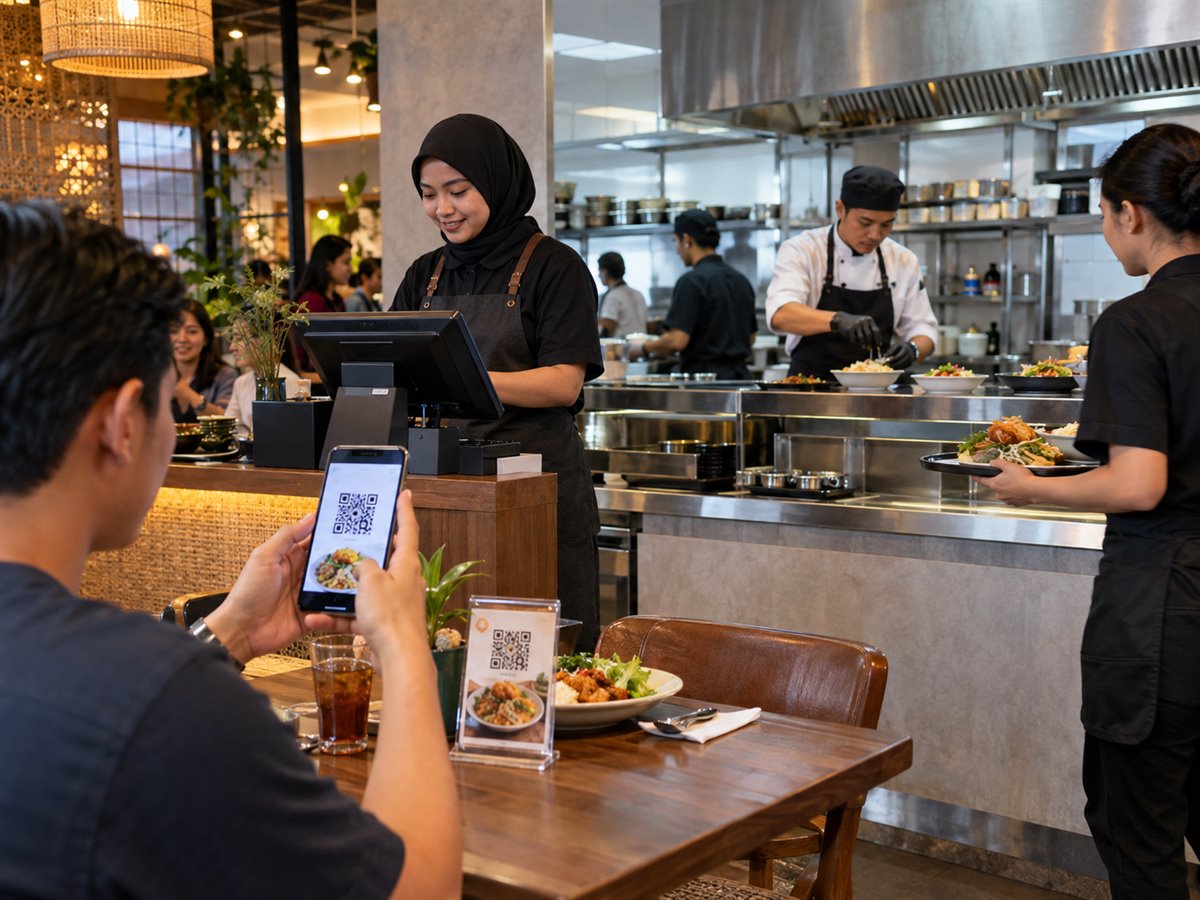
A restaurant ordering flow becomes dependable when the customer menu and the operating team share the same order record. The system should know which table or pickup point started the order, what was selected, which options were chosen, and whether staff still need to confirm anything before preparation begins.
Map the handoff between QR menu, cashier or POS, kitchen display, payment, and service staff. Define statuses such as submitted, confirmed, preparing, ready, served, cancelled, and refunded. Each status should have a clear owner and a practical action rather than being a label that nobody uses.
Test sold-out items, changes after payment, duplicate submissions, kitchen delays, weak connectivity, and orders that need staff correction. A strong restaurant system does not hide these exceptions; it gives the team a visible recovery path so customers receive an accurate update.
Before development or a major change, turn this idea into a clear operating agreement: define the people who use the process, the records that must remain trustworthy, the approval boundaries, and the result the business will review. A small pilot with real examples can reveal missing rules earlier than a large build and make later support, handover, and integration safer.