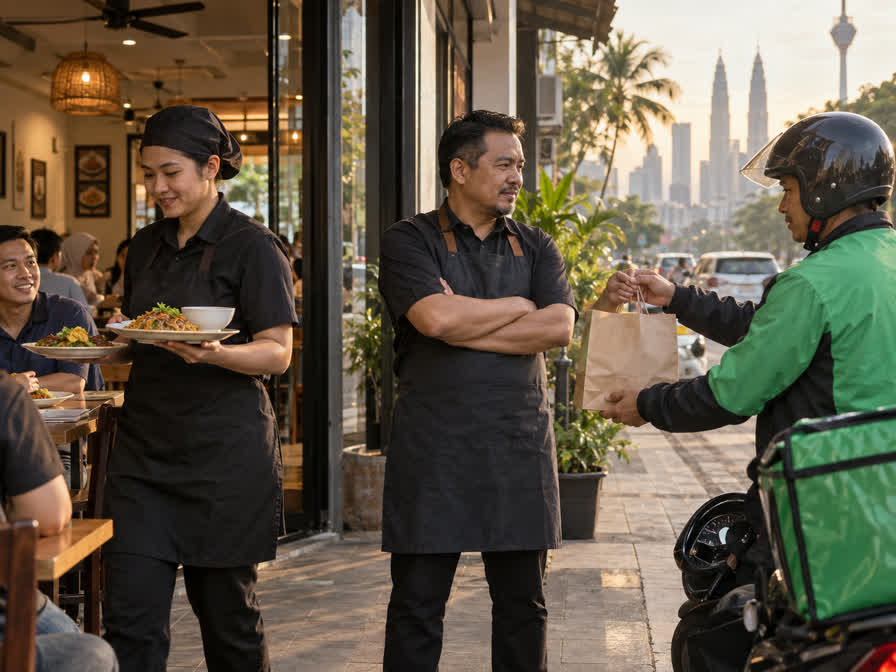
The choice between self-delivery and a third-party platform is not only a fee comparison. A restaurant should consider delivery area, order volume, staffing, peak periods, customer communication, payment reconciliation, and how much control it wants over the customer relationship.
Self-delivery may give the restaurant more control over service messages and local delivery rules, but it also creates responsibility for scheduling, driver availability, route changes, and failed deliveries. A third-party platform may provide reach and logistics, but the restaurant must understand its commercial and data boundaries.
Some restaurants use a blended approach. The important step is to record the cost and operational effort for each model, then review late deliveries, customer questions, refunds, and repeat business instead of deciding from one headline fee.
Before development or a major change, turn this idea into a clear operating agreement: define the people who use the process, the records that must remain trustworthy, the approval boundaries, and the result the business will review. A small pilot with real examples can reveal missing rules earlier than a large build and make later support, handover, and integration safer.